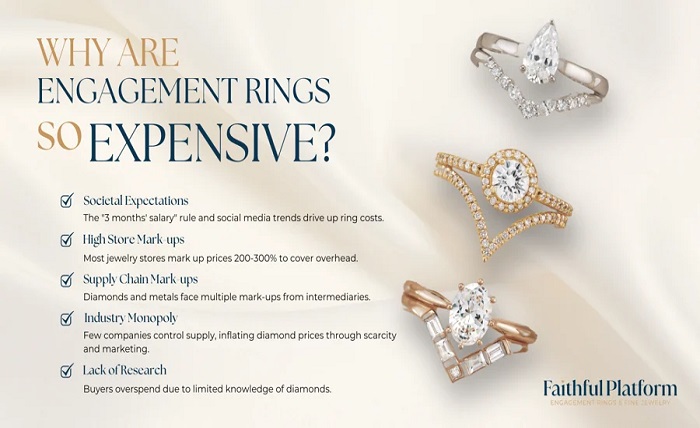
Monopoly jewelry has become one of the most talked-about trends in the fashion and luxury industries. The phrase monopoly jewelry refers to unique, high-demand jewelry collections or brands that dominate the market through exclusivity, superior craftsmanship, and iconic designs. Consumers today are no longer satisfied with ordinary accessories. Instead, they seek monopoly jewelry that offers individuality, prestige, and long-term value.
The popularity of monopoly jewelry has grown because buyers now view jewelry as more than decoration. It has evolved into a personal statement and even an investment opportunity. Whether it is handcrafted gold necklaces, diamond-studded bracelets, or gemstone rings, monopoly jewelry attracts attention because of its rarity and perceived exclusiveness.
Social media has also fueled the rise of monopoly jewelry. Influencers, celebrities, and fashion bloggers constantly showcase premium jewelry collections online, creating a sense of aspiration among consumers. As more people desire luxurious and limited-edition designs, monopoly jewelry brands continue to dominate the global fashion market.
Another reason monopoly jewelry is trending is its emotional value. Many people purchase monopoly jewelry for special occasions such as weddings, anniversaries, birthdays, and milestone celebrations. These pieces often become family heirlooms passed down through generations, adding sentimental significance alongside financial value.
In today’s highly competitive fashion industry, monopoly jewelry stands out because it combines elegance, exclusivity, and investment potential. Consumers are willing to spend more on jewelry that reflects their personality and status while offering timeless beauty.
The History and Evolution of Monopoly Jewelry
The concept of monopoly jewelry is not entirely new. Throughout history, royalty and aristocrats controlled exclusive jewelry collections made from precious metals and rare gemstones. Ancient civilizations such as Egypt, Rome, and Greece used monopoly jewelry to symbolize wealth, authority, and divine power.
During the Renaissance period, monopoly jewelry became increasingly sophisticated. Skilled artisans created intricate necklaces, crowns, earrings, and rings exclusively for noble families. Because these designs were unique and inaccessible to ordinary citizens, monopoly jewelry represented prestige and social dominance.
In the modern era, luxury brands transformed monopoly jewelry into a global industry. High-end jewelry houses introduced signature collections that quickly became symbols of elite fashion. Over time, monopoly jewelry expanded beyond royal circles and became accessible to affluent consumers around the world.
Technological advancements also changed the monopoly jewelry industry. Designers now use advanced gemstone cutting techniques, computer-aided design software, and innovative materials to create extraordinary pieces. These innovations allow monopoly jewelry brands to produce highly detailed and customized accessories.
The digital age further accelerated the growth of monopoly jewelry. Online platforms enable luxury jewelry companies to market their collections globally. Customers can browse exclusive pieces, compare designs, and purchase premium accessories from the comfort of their homes.
Today, monopoly jewelry continues to evolve by blending traditional craftsmanship with contemporary fashion trends. From minimalist diamond pendants to bold statement necklaces, monopoly jewelry remains a defining symbol of luxury and sophistication.
Why Consumers Prefer Monopoly Jewelry Over Regular Accessories
Modern consumers are increasingly choosing monopoly jewelry instead of mass-produced accessories. One major reason is exclusivity. Monopoly jewelry often features limited-edition designs that are unavailable in ordinary retail stores. Buyers appreciate owning jewelry that feels unique and rare.
Quality is another key factor driving the popularity of monopoly jewelry. Premium jewelry brands use high-quality materials such as gold, platinum, diamonds, sapphires, emeralds, and pearls. These luxurious materials ensure that monopoly jewelry maintains its beauty and durability for many years.
Consumers also value the craftsmanship behind monopoly jewelry. Skilled artisans spend countless hours designing and perfecting each piece. From gemstone placement to metal polishing, every detail is carefully executed to achieve exceptional results.
Another advantage of monopoly jewelry is emotional significance. Unlike inexpensive fashion accessories, monopoly jewelry often represents important memories and milestones. Engagement rings, anniversary necklaces, and customized bracelets hold sentimental value that lasts a lifetime.
Fashion-conscious buyers are also drawn to monopoly jewelry because it enhances personal style. Luxury jewelry pieces can elevate even the simplest outfit, making the wearer appear more sophisticated and elegant. Whether worn casually or during formal events, monopoly jewelry adds a touch of glamour.
Investment potential is another reason consumers prefer monopoly jewelry. Certain luxury jewelry collections appreciate in value over time, especially pieces made with rare gemstones or limited-edition designs. As a result, monopoly jewelry can serve as both a fashion statement and a financial asset.
Different Types of Monopoly Jewelry Available Today
The monopoly jewelry market offers a wide variety of designs and styles to suit different tastes and occasions. One of the most popular categories is diamond monopoly jewelry. Diamond necklaces, engagement rings, and tennis bracelets remain timeless symbols of luxury and romance.
Gold monopoly jewelry is another highly sought-after option. Available in yellow gold, white gold, and rose gold, these pieces range from minimalist chains to elaborate statement sets. Gold monopoly jewelry is especially popular because of its lasting value and universal appeal.
Gemstone monopoly jewelry has also gained significant popularity. Jewelry featuring rubies, sapphires, emeralds, and opals offers vibrant colors and unique visual appeal. Many consumers choose gemstone monopoly jewelry to express individuality and creativity.
Pearl monopoly jewelry continues to represent elegance and sophistication. Pearl necklaces, earrings, and bracelets are commonly worn during weddings and formal occasions. Modern designers often combine pearls with diamonds or gold to create contemporary monopoly jewelry collections.
Customized monopoly jewelry is another growing trend. Many buyers now prefer personalized jewelry featuring initials, birthstones, names, or meaningful symbols. Customized monopoly jewelry allows individuals to create one-of-a-kind pieces that reflect their identity and emotions.
Vintage monopoly jewelry has also become increasingly desirable among collectors and fashion enthusiasts. Antique rings, brooches, and necklaces carry historical significance and unique craftsmanship that modern designs sometimes lack. These rare pieces often become valuable collector’s items.
How Monopoly Jewelry Influences Fashion Trends
Monopoly jewelry plays a major role in shaping global fashion trends. Luxury designers frequently collaborate with celebrities, influencers, and fashion houses to launch exclusive collections that influence consumer preferences worldwide.
Runway shows often highlight monopoly jewelry as a key element of luxury styling. Statement necklaces, oversized earrings, and layered bracelets frequently dominate fashion events, inspiring seasonal trends. Consumers then adopt similar styles for everyday wear and special occasions.
Social media platforms such as Instagram, Pinterest, and TikTok have significantly increased the visibility of monopoly jewelry. Influencers regularly showcase luxury accessories in outfit posts and promotional campaigns, encouraging followers to invest in premium jewelry pieces.
Monopoly jewelry also impacts bridal fashion trends. Brides increasingly seek exclusive engagement rings and wedding jewelry that reflect their personal style. Designers respond by creating innovative monopoly jewelry collections featuring modern cuts, mixed metals, and colored gemstones.
Street fashion has also embraced monopoly jewelry. Chunky chains, layered necklaces, and bold rings have become popular among younger audiences seeking fashionable yet luxurious accessories. This blend of casual and luxury fashion has expanded the reach of monopoly jewelry across different demographics.
Seasonal collections further drive the popularity of monopoly jewelry. Designers release themed collections inspired by nature, art, architecture, and cultural influences. These limited-edition releases create excitement among buyers and strengthen the exclusivity associated with monopoly jewelry.
Tips for Choosing the Best Monopoly Jewelry
Selecting the right monopoly jewelry requires careful consideration. Buyers should first determine their budget before exploring luxury jewelry collections. Monopoly jewelry is available at various price points, making it important to choose pieces that align with financial goals.
Understanding personal style is equally important when purchasing monopoly jewelry. Some individuals prefer minimalist designs, while others enjoy bold statement pieces. Choosing jewelry that complements everyday fashion preferences ensures long-term satisfaction.
Material quality should always be evaluated before investing in monopoly jewelry. Buyers should verify the authenticity of gold, diamonds, pearls, or gemstones through certification and trusted sellers. High-quality monopoly jewelry retains its beauty and value over time.
Another important factor is craftsmanship. Carefully examining the finishing, gemstone setting, and structural integrity of monopoly jewelry helps buyers identify premium-quality pieces. Well-crafted jewelry not only looks better but also lasts longer.
Consumers should also consider versatility when selecting monopoly jewelry. Accessories that can be worn during both casual and formal occasions offer greater value and usability. Simple diamond studs or elegant gold chains are excellent examples of versatile monopoly jewelry.
Researching reputable jewelry brands is essential. Established monopoly jewelry brands often provide warranties, certifications, and excellent customer service. Reading customer reviews and checking brand reputation can help buyers make informed decisions.
Maintenance is another critical aspect of owning monopoly jewelry. Proper cleaning, storage, and professional inspections help preserve the beauty and longevity of luxury accessories. Buyers should follow recommended care instructions to keep monopoly jewelry in excellent condition.
The Investment Value of Monopoly Jewelry
Monopoly jewelry is increasingly viewed as a smart investment opportunity. Unlike many fashion items that lose value over time, high-quality jewelry can appreciate significantly, especially pieces featuring rare gemstones or limited-edition designs.
Gold monopoly jewelry remains one of the safest investment choices because gold prices tend to increase over the long term. Many investors purchase gold jewelry not only for aesthetic appeal but also for financial security.
Diamond monopoly jewelry can also hold substantial value. Factors such as carat weight, clarity, color, and cut influence a diamond’s worth. Rare diamonds often become highly valuable assets in the luxury market.
Vintage monopoly jewelry frequently experiences value appreciation due to rarity and historical significance. Collectors actively seek antique pieces with unique craftsmanship and heritage. As availability decreases over time, demand for vintage monopoly jewelry continues to grow.
Limited-edition collections from prestigious jewelry brands often become desirable investment assets. Exclusive releases create scarcity, increasing resale value among collectors and luxury buyers.
Another reason monopoly jewelry is considered a valuable investment is its portability. Unlike real estate or large assets, jewelry can be easily stored, transported, and resold when necessary.
However, buyers should research carefully before investing in monopoly jewelry. Market trends, gemstone quality, brand reputation, and certification all influence resale potential. Consulting experienced jewelers or investment experts can help buyers make informed purchasing decisions.
The Future of Monopoly Jewelry in the Luxury Market
The future of monopoly jewelry appears extremely promising as consumer demand for exclusivity and luxury continues to grow. Modern buyers increasingly seek jewelry that combines artistic design, emotional significance, and investment value.
Sustainability is expected to shape the future of monopoly jewelry significantly. Many luxury brands are now adopting ethical sourcing practices and eco-friendly production methods. Consumers appreciate monopoly jewelry that reflects both beauty and social responsibility.
Technology will also influence the evolution of monopoly jewelry. Innovations such as lab-grown diamonds, 3D printing, and virtual jewelry customization are transforming the industry. These advancements allow designers to create highly personalized monopoly jewelry experiences.
Artificial intelligence and augmented reality are also improving the shopping experience for monopoly jewelry customers. Virtual try-on tools enable buyers to preview jewelry designs online before making purchases, increasing convenience and confidence.
Globalization will continue expanding the monopoly jewelry market. Consumers from emerging economies are increasingly investing in luxury accessories, driving international demand for premium jewelry collections.
Cultural influences are expected to inspire future monopoly jewelry trends as well. Designers may incorporate traditional motifs, regional gemstones, and heritage craftsmanship into modern collections, creating unique cross-cultural styles.
As fashion preferences evolve, monopoly jewelry will likely remain a powerful symbol of status, elegance, and individuality. Its ability to blend timeless beauty with innovation ensures continued relevance in the luxury market.
Conclusion
Monopoly jewelry has transformed the modern luxury industry by combining exclusivity, craftsmanship, emotional significance, and investment potential. From ancient royal collections to contemporary designer masterpieces, monopoly jewelry continues to symbolize prestige and sophistication.
Consumers today value monopoly jewelry not only for its beauty but also for its ability to express personal identity and preserve meaningful memories. Whether choosing diamond rings, gold necklaces, pearl earrings, or customized gemstone accessories, buyers appreciate the uniqueness associated with monopoly jewelry.
As technology, sustainability, and global fashion trends continue shaping the market, monopoly jewelry is expected to evolve even further. Its timeless appeal ensures that it will remain an essential part of luxury fashion for generations to come.
FAQs
1. What does monopoly jewelry mean?
Monopoly jewelry refers to exclusive, high-demand jewelry collections or brands that dominate the luxury market through rarity, quality, and prestige.
2. Why is monopoly jewelry so popular?
Monopoly jewelry is popular because it offers exclusivity, premium craftsmanship, emotional value, and strong investment potential.
3. Is monopoly jewelry a good investment?
Yes, monopoly jewelry can be a valuable investment, especially pieces made from gold, diamonds, or rare gemstones with strong brand reputation.
4. How do I maintain monopoly jewelry?
To maintain monopoly jewelry, clean it regularly, store it safely, avoid harsh chemicals, and schedule professional inspections when necessary.
5. What types of monopoly jewelry are most popular?
Diamond monopoly jewelry, gold monopoly jewelry, gemstone jewelry, pearl accessories, and customized luxury pieces are among the most popular choices today.